

Some books arrive when you need them, even if you had no idea you needed them.
I picked up Nomad because I was hoping for a heartfelt story with characters I could root for as they worked their way through life’s complications. What I got was something much more personal than I expected. Cynthia A. Johnstone’s debut follows Corey, a woman who has spent ten years living alone on 27 acres of Arizona desert, keeping the rest of the world at a carefully maintained distance.
Then a stray dog shows up.
What follows is a quiet story about grief, trauma, isolation, and the ways we sometimes pour all the care we can’t give to other people into the things around us. And somewhere between Corey’s desert routine, her memories, and one persistent dog, Nomad managed to hit me right in the feelings.
*Spoilers will be hidden and labelled so you can choose to read or skip.
This post may contain affiliate links. If you click on them and make a purchase, I may earn a small commission at no extra cost to you. As an Amazon Associate I earn from qualifying purchases.
Before Reading:
Where did I hear about this book: Book Forward PR
Curiosity or Awareness: Curiosity
Would I read it if no one was talking about it? Yes
What I want from this book: I am hoping for a heartfelt journey with lovable characters who grow through life’s challenges.
Hype Meter
Nomad is just starting to get some attention, so the hype isn’t hyped yet.
My Take: Get Hyped! Nomad is excellent.

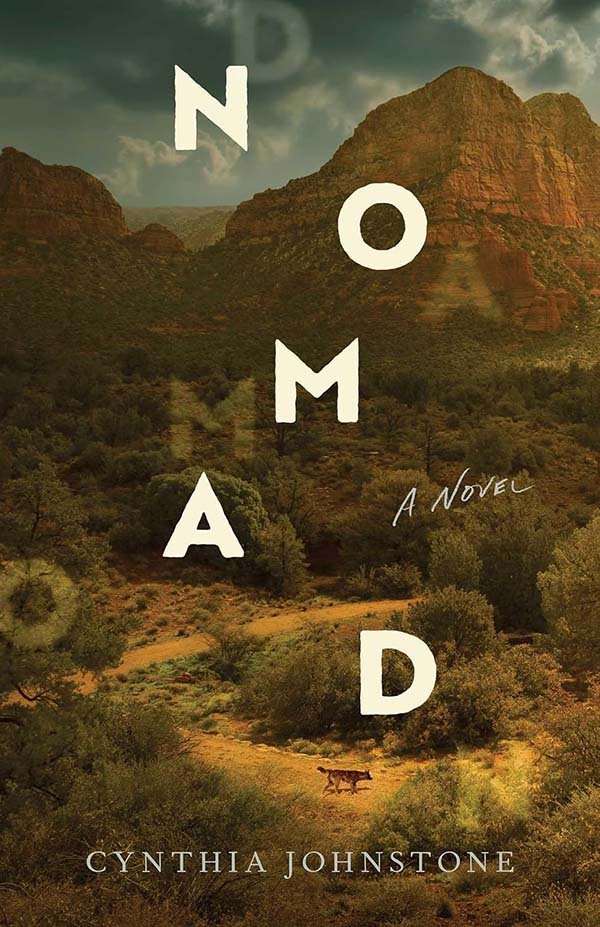
Judge Nomad By Its Cover
Stunning imagery of the Arizona landscape graces Nomad‘s cover. The generally vibrant hues are overlaid with a semi-ominous darkness. A brighter path leads the eye to a dog, alone in the desert. Both beautiful and lonely. The unconventionally set title adds a layer of curiosity to the cover.
Color Story
The palette is a classic Arizona desert, but in this case, the tone is deeply muted, reducing the image’s vibrancy.
Typography Notes
The letters of NOMAD are not aligned and are presented vertically and at irregular intervals. Being a single word, it is still readable, but it creates visual interest by being unexpected. The letterforms are geometric (circular O character, pointed and squared angles), but also appear hand-drawn because of the wavering, almost chiseled effect of the outer edges. It is rough and interesting.
Genre Signals
The imagery suggests a setting more than a genre. Had I not known better, I might have thought this to be a travel memoir.
Hidden Details
Yes, but I am not going to reveal it as it might be a spoiler.
Mood Check
Remote, isolated.
Beyond the Dust Jacket
As I have an Advanced Reader Copy of Nomad, some items may change before publication. However, in the copy I have, the chapters are short and easy to consume. Each chapter has an image of an Arizona mountain. Below it, the word “chapter” in grey is followed by the chapter number in black. The chapters have lovely sans serif drop caps. I love this kind of detail work and like to call it out. These things make a work feel finished, and many self-published or hybrid-published works miss the details that make up this full book experience.
Did the design affect whether I bought the book?
I was gifted the ARC of Nomad and had accepted the opportunity to pre-read before I had seen the cover design.
Story Snapshot
In Short
Corey Collins lives alone in the desert and prefers it that way, but a stray dog decides she needs more in her life and persistently pursues his new companion, all the while leading her back to herself.
From the Publisher
For readers of Barbara Kingsolver and Mary Lawson, a literary novel, set in the desert wilderness of modern-day Arizona, that offers quiet beauty, emotional depth, and an exploration of loss, healing, and the wild places that change us.
After the sudden death of her brother, Corey retreats to a remote ranch in Sedona, Arizona, hoping the silence of the desert can drown out the noise of her grief. But the quiet only deepens her isolation—until a mysterious stray dog appears, pulling her back into the world and forcing her to face what she’s been running from.
Set against the stunning red rock canyons, Nomad is a lyrical, emotionally charged debut about trauma, resilience, and the wild grit it takes to heal. As Corey grapples with loss and the ghosts of her past, she’s drawn into unexpected relationships that challenge her guarded heart and crack open the possibility of love.
For readers of Prodigal Summer and A Town Called Solace, this is the story of one woman’s return to herself through the rhythms of nature, the ache of memory, and the quiet, untamed beauty of connection. It’s a tender, tough meditation on the raw path to healing—and the fierce, fragile hope that blooms in its wake.
Characters I Followed Into Battle
Corey Collins, a 28-year-old who has been living alone on 27 acres of land an hour from Sedona, Arizona, for 10 years in a kind of self-imposed exile, never doubts that she can take care of herself and her land. What must that be like? Homesteading, off the grid, no running water, no electricity, no phone in such a wild and inhospitable place.
A reader and library patron who might recommend Lonesome Dove, Great Expectations, and A Winter Garden, Corey runs her life on a deeply established routine that is suddenly interrupted by a persistent stray dog whose sudden appearance sets in motion a course of events that forces Corey to examine her past trauma to move forward.
Writing Style Notes
Nomad is gorgeously crafted. The reader experiences a gentle rhythm of Corey’s routine, interrupted by plot events that shake her, causing memories to surface or to look back on treasured mementos. The story advances around this cycle at varying intervals, creating familiarity while also deepening our emotional connection with the protagonist.
The off-the-grid homestead in an unforgiving arid desert acts as Corey’s oasis, but also her own self-imposed solitary confinement–the remoteness a boon and an obstacle. Johnstone anchors Nomad with a sense of place so tangible that it almost becomes a character as Corey interacts with it.
Well-executed subtext allows the reader to experience Corey’s emotions even as she plainly declares indifference. We can understand that she is running away even as she is staying put. This creates a nice tension even in the less active moments of the story.
Themes Living Rent-Free In My Head
- Grief causes a person to hide away from the world to remove the risk of ever experiencing loss again.
- Unconditional love and loyalty of an animal companion
- Having to face your trauma and fear to be able to move forward
What Landed For Me
What Worked:
- Beautiful writing
- The setting is a character
- The human-animal bond
- Humans being relatably flawed and behaving in realistic ways
What Didn’t Fully Click:
- Being set in Arizona, some distance from a city, there was some missing wildlife (javelinas, coyotes, and tarantulas)
- Must have been some inheritance to buy 27 acres and manage to live on and maintain the property for 10+ years.
Overall:
Amazing. Beautiful. Heart-wrenching.
Intentional Reading Reflection
Nomad hit me in the feels. It was surprisingly personal despite my experiences being so far removed from the protagonist.
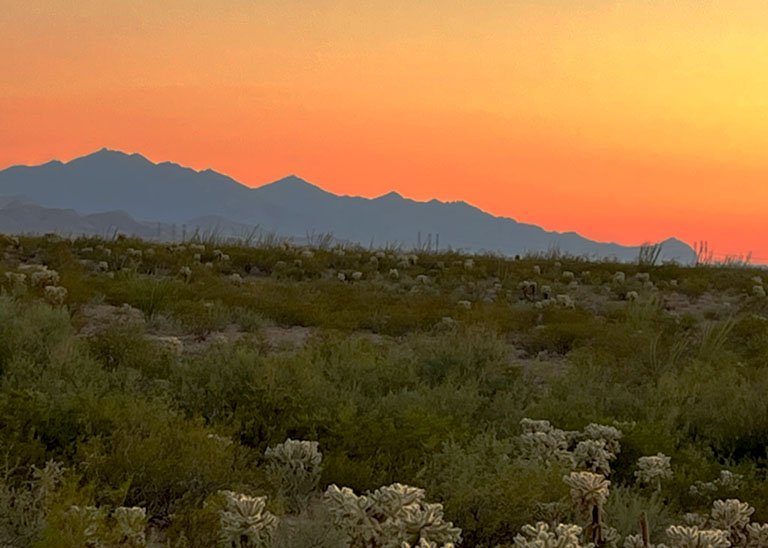
I lived in a semi-rural area south of Tucson, Arizona, for a few years, so the landscape of Nomad felt familiar. I loved seeing the land was so important to Corey. All the care and attention she couldn’t bring herself to share with other people was focused on caring for and keeping her property. It is very relatable to translate uncomfortable emotions into busyness.
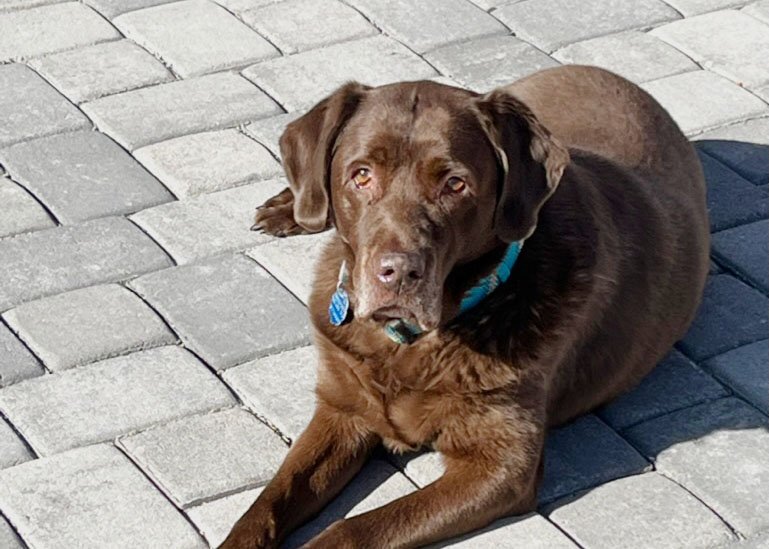
I lost my dog of 14 years in June of this year, so Nomad hit me extra hard. Every interaction made me imagine my own dog, Penny, and, wow, were the tears flowing. There is something so pure and wonderful about a dog’s love. They show up and stick around even when we don’t deserve it.
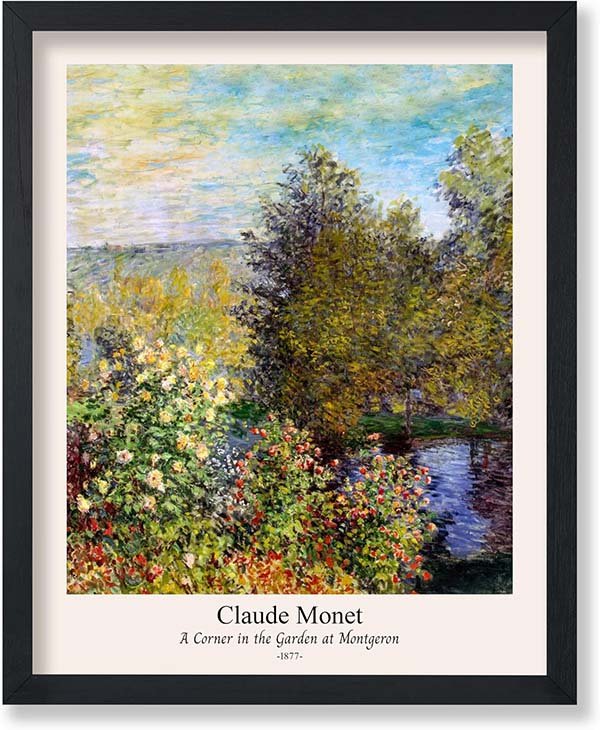
Being an art and art history fan, I enjoyed how Nomad included art. The Hopi Kachina Dolls make sense in the context of the area. However, it was surprising to incorporate art by Claude Monet. Corey sees the colors of her wildflowers bleeding together in the same impressionistic way that Monet paints his fields of flowers and remembers the artwork from a childhood visit to her grandmother’s house. I found this clever and interesting. The nod to the local potter near the end was also delightful.
Cover Promise Rating
Did the cover make promises the story actually kept?
The Nomad cover delivered. In fact, it is better after finishing the book than before reading it.
Final Verdict
Read if you like:
- Wild by Cheryl Strayed for the processing-grief-in-isolation vibes.
- Wild Dark Shore for the impact of isolation, nature, and routine on a bruised soul. (Read My Review)
- Quiet, character-driven stories of trauma and healing.
- Dogs.
Skip if you dislike:
- Slow-paced, person-focused stories.
- If you are more of a cat person.
Nomad would be a wonderful fit for a person in need of some introspection. While it is set in the fall, with the protagonist preparing for winter, the themes of grief, healing, and renewal might make this a great read for the late winter months, just before the emergence of spring.
Pair with Prickly Pear Tea or a Mother Road IPA.
Reading Debris
I read Nomad during my Playing Card Reading Challenge to fulfill the prompt:
It could also fulfill:
- Read a book about grief or loss.
- Read a book set in the desert.
- Read a book with a one-word title.
- Maybe – Read a book set in your hometown or region if you hail from Arizona.
Your Turn
Could you imagine yourself living completely alone for 10 years? What would be your biggest fear?
May your life be as full as your bookshelf and as long as your TBR list.
Happy Reading!

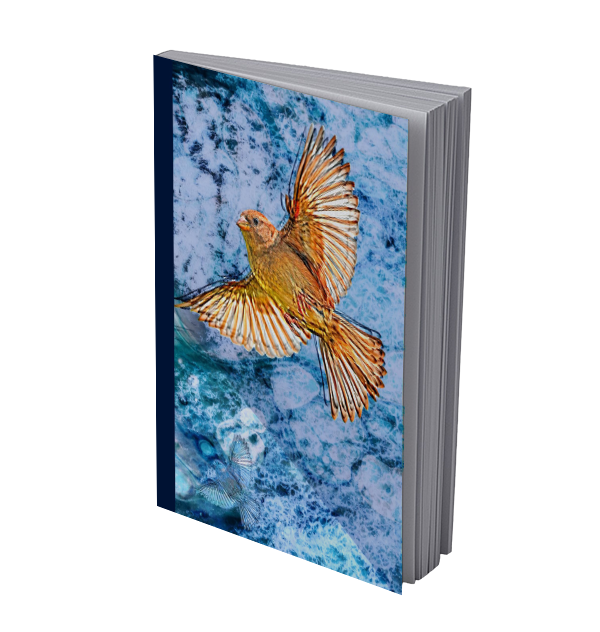
A Cheeky Journal For Your Imaginings
“Hallucinations” lined, 120-page, paperback journal.

0 Comments