

A title like How to Read a Book almost feels like it is making a promise. Maybe a little instruction. Maybe a challenge. As a reader, I immediately wondered whether this would be a story about literature itself or whether the title was quietly asking something bigger. How do we read books? More importantly, how do we read people?
This story turns out to be less about reading words on a page and more about understanding the lives unfolding around us. It takes strangers carrying grief, mistakes, and loneliness and places them in the same orbit until something unexpected begins to happen.
*Spoilers will be hidden and labelled so you can choose to read or skip.
This post may contain affiliate links. If you click on them and make a purchase, I may earn a small commission at no extra cost to you. As an Amazon Associate I earn from qualifying purchases.
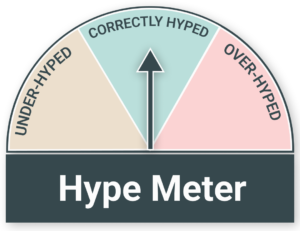
Hype Meter
Goodreads: 4.22 | StoryGraph: 4.21
Correctly-hyped.
Cover Crit
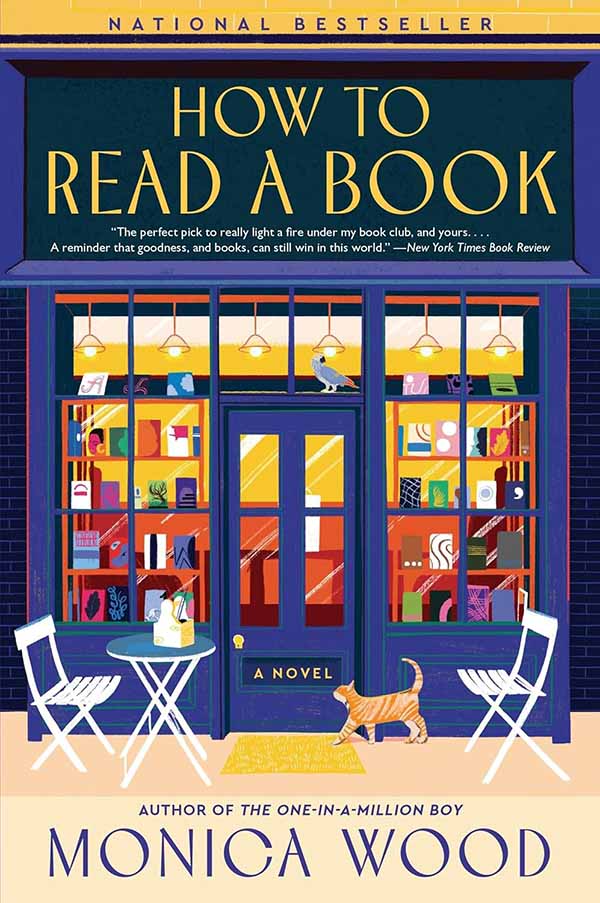
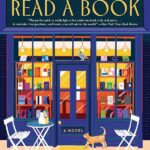
The cover of How to Read a Book is neither eye-catching nor memorable. It is, however, simple and tasteful. If I were judging by first impressions alone, I would never have picked up this book based on the cover – except for the clever title.
Color Story
Bold complementary colors make this simple bookstore window front cover a bit more eye-catching.
Typography Notes
The designer has chosen a friendly, semi-modern-looking sans serif. It has nice, thick-thin elements with tilted O characters. This creates dynamism in a rather static image.
Genre Signals
The quaint bookstore window on the front cover of How to Read a Book would initially link to a cozy mystery, but the title sets this in contemporary fiction or women’s fiction.
Hidden Details
Some of our animal friends are featured on the cover of the book. The box on the table may hold knitting supplies, which also makes an appearance in the story.
Mood Check
The cover of How to Read a Book gives little away about whether to expect emotionally. The gentle colors and still imagery suggest placidity, but that’s not entirely accurate.
Beyond the Dust Jacket
The ebook was nicely formatted and easy to read. There were no special design elements.
I think this would be such a great candidate for a section with book club discussion questions, but there were none.
Did the design affect whether I bought the book?
No. I bought How To Read A Book one day when I saw it on sale via one of the many book sale emails I receive daily. It came to my attention when I was researching books to fulfill the reading prompt “Read a book with found family.” My decision to add it to my TBR was based solely on interest in the premise and the knowledge that this prompt was coming.

Story Snapshot
In Short
A chance encounter at a bookstore brings together a retired English teacher, a former prisoner, and a handyman, leading to transformative relationships and the power of books to change lives.
From the Publisher
“The perfect pick to really light a fire under my book club, and yours….A reminder that goodness, and books, can still win in this world.” —New York Times Book Review
“A beautiful, big-hearted treasure of a novel.” —Lily King
National Bestseller From the award-winning author of The One-in-a-Million Boy comes a heartfelt, character-driven, and uplifting novel about a chance encounter at a bookstore, exploring redemption, unlikely friendships, and the life-changing power of sharing stories.
Our Reasons meet us in the morning and whisper to us at night. Mine is an innocent, unsuspecting, eternally sixty-one-year-old woman named Lorraine Daigle…
In this emotional book club fiction, Violet Powell, a twenty-two-year-old from Abbott Falls, Maine, is being released from prison after serving twenty-two months for a drunk-driving crash that killed a local kindergarten teacher.
Harriet Larson, a retired English teacher who runs the prison book club, is facing the unsettling prospect of an empty nest.
Frank Daigle, a retired machinist, hasn’t yet come to grips with the complications of his marriage to the woman Violet killed.
When the three encounter each other one morning in a bookstore in Portland—Violet to buy the novel she was reading in the prison book club before her release, Harriet to choose the next title for the women who remain, and Frank to dispatch his duties as the store handyman—their lives begin to intersect in transformative ways.
How to Read a Book is an unsparingly honest and profoundly hopeful story about forgiveness, letting go of guilt, seizing second chances, and the power of books to change our lives. With the heart, wit, grace, and depth of understanding that has characterized her work, Monica Wood illuminates the decisions that define a life and the kindnesses that make life worth living.
“A deeply humane and touching novel; highly recommended for book clubs and fans of Shelby Van Pelt’s Remarkably Bright Creatures.” — Booklist
Lines I Highlighted
I am a reader. I am intelligent. I have something worthy to contribute.
Characters I Followed Into Battle
The POV (point of view) cast, Violet, Harriet, and Frank, present as vastly different people, yet circumstances and books unite them in unexpected and beautiful ways. Each character is soundly human in their flaws and personal histories. They’ve all made mistakes. They’ve all suffered. They’re all trying to do better.
The side characters are equally robust even with less page time. Their voices are unique and clear. Small details make it easy to fill in a mental picture.
There are even some delightful animal friends that add an extra layer of joy to the cast.
Lines I Highlighted
The writer writes the words. The given reader reads the words. And the book, the unique and unrepeatable book, doesn’t exist until the given reader meets the writer on the page.
Writing Style Notes
How to Read a Book leads with characters. While being quite emotional the writing is clear and crisp. The language is accessible. Pacing remains steady with enough action to remain engaging.
Lines I Highlighted
We are a continuum of human experience, neither the worst nor the best thing we have ever done. Or, more exactly, we are both the best thing and the worst thing we’ve ever done. We are all of it, all at once, all the time.
Themes Living Rent-Free In My Head
People, especially women, in How to Read a Book connect over shared reading experiences. They read together and talk about the books, but also about their own lived experiences that relate to the themes in the books.
Forgiveness. Full stop. How to Read a Book overflows with forgiveness.
Found family shines against the harsh realities that blood relation presents in How to Read a Book.
Lines I Highlighted
Harriet had never thought of existential crisis as a luxury, but now she did.
What Landed For Me
What Worked:
- How to Read a Book packs a lot of life into fewer than 300 pages.
- The characters’ personalities are distinct and show each individual as messy and complex.
- How to Read a Book wraps up the story in a way that calls back to book club discussions, which is so lovely.
What Didn’t Fully Click:
- Considering the themes and general strength of the characters, How to Read a Book should have made me cry, but it didn’t. The ol’ heart strings could have been tugged a little harder.
That said, How to Read a Book was fantastic. Overall, a very strong, well-written, thoughtful book.
Lines I Highlighted
“Books won’t solve my problems, Harriet.” “No, but they give your problems perspective. They allow your problems to breathe.”
Intentional Reading Reflection
When I got the prompt to read a book with found family, I had a few options in mind. I was leaning toward another that I thought was in my personal library, but it turned out that it wasn’t. So How to Read a Book got bumped to the top of my list.
I think it was fortunate that this book came into my life right when it did. There have been some recent stresses within the family, and the example of these characters helped me to move through the issues with more grace than I might have otherwise.
How to Read a Book fits reading seasons when you might be having family issues or struggling with forgiveness. It’s a comfort for when you are facing down your own mistakes. It’s hopeful without being naive. This one’ll stick with you.
Cover Promise Rating
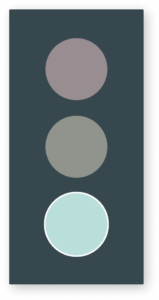
Did the cover make promises the story actually kept?
I think the cover of How to Read a Book is underselling the merits of this story. It is perhaps too quiet an image where the story has depth and movement. However, it is not lying to the audience. So we are keeping it as green.
Final Verdict
Read if you like:
- Quiet moving stories that challenge your perspective while still offering comfort and hope.
- Forgiveness and redemption.
- Found family, especially unexpected connections!
- Parrots 🦜
Skip if you dislike:
- Character-driven stories with a unique cast.
- Books about books and reading.
- If you need high drama, fast pacing, or thrills, then How to Read a Book might not be a good fit.
Lines I Highlighted
The moat of bliss that surrounds me is far too wide for the truth to cross over.
Reading Debris
I read How to Read a Book to fulfill the Playing Card Reading Challenge prompt: Read a book with found family. It could also have fulfilled the prompts: Read a book about friendship.
Your Turn
What is the best found family story you’ve read?
May your life be as full as your bookshelf and as long as your TBR list.
Happy Reading!

For All the Books You Want to Read, Recommend, or Review
“Books To Read” lined, 120-page, hardcover or paperback journal.



0 Comments