

There is something inherently intimate about sitting for a portrait. To be studied. Observed. Interpreted. The Portrait by Emily Kelly leans into that intimacy and quietly asks a dangerous question: how well can anyone truly see you? Set against the soot-and-splendor backdrop of Victorian London, this story blends art, duty, and suspicion into a slow-unfurling mystery that feels as delicate as varnish and just as revealing once it begins to crack.
Hype Report
4.1 on Goodreads. The Portrait is slightly over-hyped!
Aesthetic
The Cover
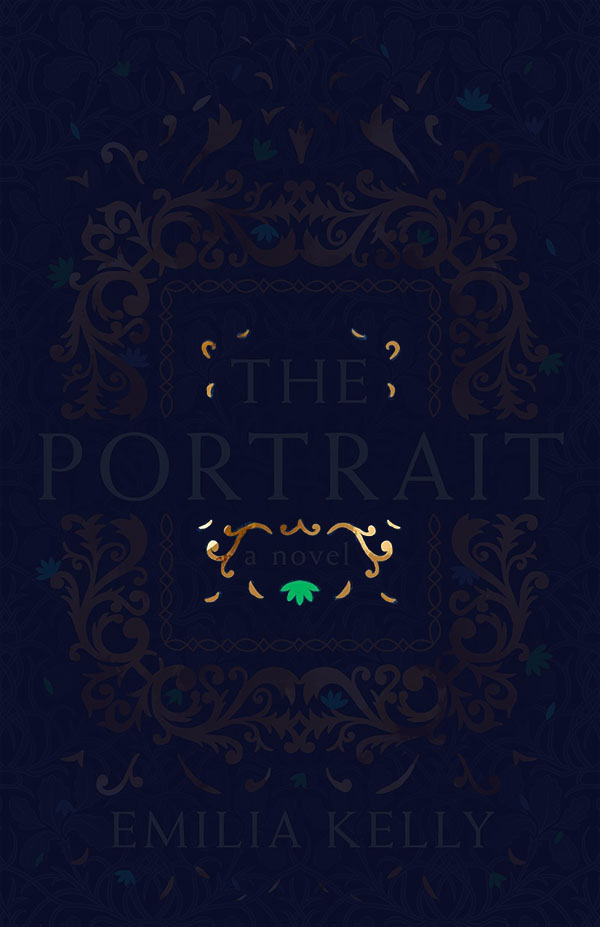
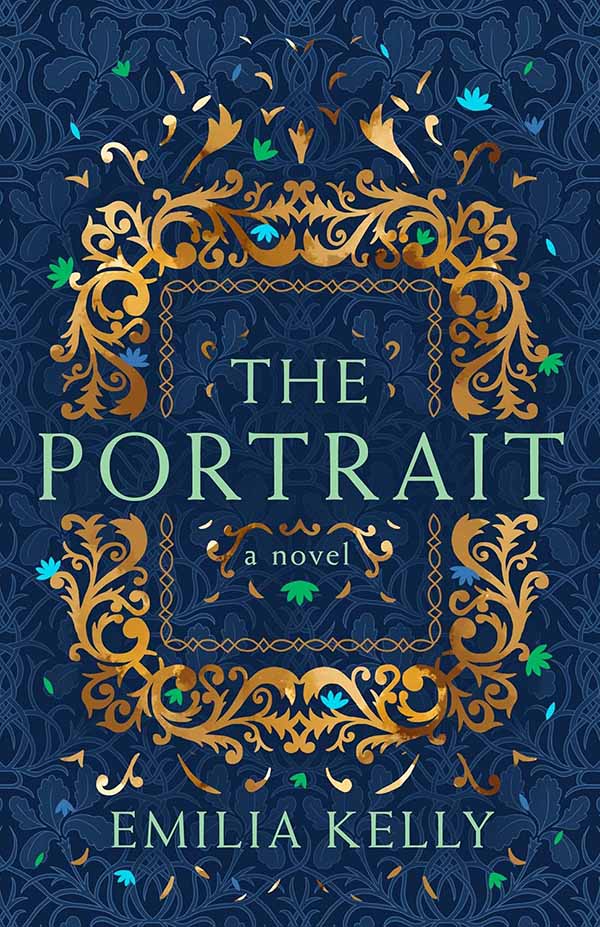
The Portrait cover design by Sarah Whittaker has a wonderful near symmetry and visual balance that makes it a pleasure to look at. The visual rhythm created by the small elements that seem to dance around and through the portrait frame keeps the eye moving across the design. The gentle brocade style flourishes that fade into the background add a layer of depth, but also point us toward the setting of the story. Natural shapes hint at the importance of nature in the story. The palette is mostly restrained but offers pops of an unexpectedly bright green hue. The type is elegant and clear, suggestive of the class of person who might commission a portrait.
It might just be me, but I detect the hint of a man’s face in the shapes of the elements within the frame on the cover of The Portrait. Do you see it too?
Interior
The interior of The Portrait ebook was flawlessly formatted. The chapter headings were clear and clean, but not without some flair. Delightful drop caps added to the ambience of the story. An extra callout for the formatting of letters and newspaper articles must be given. Small details make the reading experience that much better.
Did the design affect whether I bought the book?
Probably. The Portrait has been on my Kindle for some time, and I do not remember the circumstances of downloading it.
Summary
In Short
Iris Sheffield agrees to marry her best friend, Winston Carmichael, who has generously offered to pay for her ailing sister’s care, only to realize that maybe she doesn’t know him as well as she thinks, as new information comes to light during her portrait sittings.
From the Publisher
For fans of Kate Morton and Daphne Du Maurier comes the tale of a woman enchanted by the past until it threatens her future. The Portrait is a captivating debut filled with new love, old secrets, and a mysterious missing woman, all set against the vibrancy of 19th-century London and the construction of the Crystal Palace.”Atmospheric and gripping, The Portrait deftly weaves Victorian details, Brontë-esque romance, and riveting suspense.” -Emily Inouye Huey, author of Beneath the Wide Silk Sky
Every work of art tells a story. And every story has its secrets.
London, 1850. Iris Sheffield has plenty of people to worry about in her life: Hope, the ailing younger sister for whom Iris feels responsible. Winston, Iris’s fiancé, who is consumed with his work. And James, the handsome but arrogant artist painting Iris’s portrait, with whom she is forced to spend countless, awkward hours.
But when Iris finds the diary and photograph of a mysterious young woman, she can’t stop wondering who the woman is and what has become of her. The more questions Iris asks, the more she suspects someone does not want her to discover the answers.
Exploring themes of sisterly bonds, familial obligations, and the lengths we go to for those we love, The Portrait illustrates the surprising and frightening ways a work of art can tell a story.
Character Analysis
As appropriate to the Victorian setting, the characters tend to be presented formally, but their words and actions subtly hint at deeper traits and emotions. A lot of the character development happens in the subtext of The Portrait– a look, a gesture, the hint of something more.
“And I thought of how everyone who passes aways is missed and mourned by someone, even if the mourner is nowhere to be seen.”
Writing Style
The first-person narrative leads the reader through the story as Miss Iris Sheffield, our main character, moves through it. As she makes note of things, the reader develops a sense that all is not as it seems. Rather than the reader knowing the facts and the characters eventually figuring it out, the revelation is closer to real time.
“I promise,” he continued, “that I would never stop seeing you. If I painted you every day for a hundred years, I still would not stop seeing you.”
Themes
Familial love and duty to one’s family represent the core struggle in The Portrait. Romantic love weaves around this struggle, and ultimately, both resolve together.
“He is memorializing you in paint. For the rest of his life, he wants to remember you as you are now.”
Critical Evaluation
During the story the main character notes a few times that certain items are familiar, which seemed like foreshadowing. One such mention is resolved, but the other (a pastoral scene with a shepherd and his sheep) was not.
Personal Opinion
I had fun reading The Portrait. It was not what I expected, in a good way! Having a love of art history, I particularly enjoyed the art discussions that were sprinkled in.
There is a moment during this story that reminds me of the movie 10 Things I Hate About You.
Recommendation
The Portrait is a quick and easy read that could be finished in one or two sittings. Its London setting and (light) semi-gothic themes make it an excellent choice for a rainy day, snuggled up with a warm beverage.
The cover is so pretty, I suggest buying the hardcover or paperback and setting up a vignette with vintage style portrait and artistic accessories.
If you were to have to sit for a portrait, what would you do while sitting there?
May your life be as full as your bookshelf and as long as your TBR list.
Happy Reading!

Spill the tea or put it on your grocery list.
“Juicy Gossip” lined, 120-page, paperback journal.



0 Comments