

Some stories invite you to suspend disbelief. The Lost Story gently takes you by the hand and reminds you why you ever wanted to. With its fairytale logic, sentient storyteller, and aching tenderness, Meg Shaffer’s novel leans into wonder unapologetically—and for the right reader, that’s exactly its magic.
This post may contain affiliate links. If you click on them and make a purchase, I may earn a small commission at no extra cost to you. As an Amazon Associate I earn from qualifying purchases.
Hype Report
I wasn’t sure what my rating for this book was going to be until I checked Goodreads and saw that it was resting at 3.77 and I thought, no, it’s got to be better than that! Under-hyped!
Aesthetic
The Cover
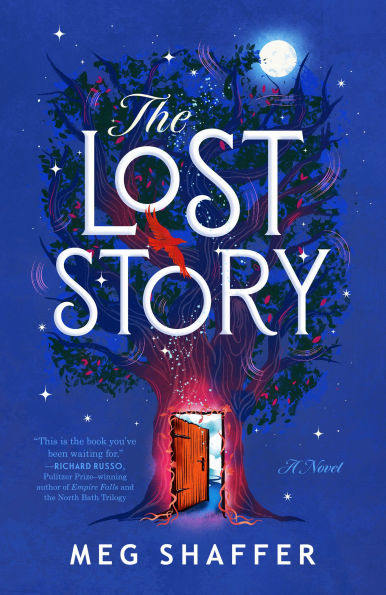
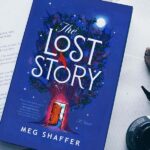
The illustration and typography on the cover of Meg Shaffer’s The Lost Story is simply magical. It is so pretty. The “at-first-glance” simplicity begs you to keep looking; the details draw you in.
Interior
The Lost Story is cleanly laid out, with clear chapter headings and touches of whimsy. There are interruptions between chapters called “Storytellers Corner” that break the fourth wall. I particularly enjoyed this part of the writing style and its formatting. The end includes a recipe (always appreciated). Following the acknowledgments, there is a book club discussion guide. And, I was delighted to find, at the end of the book, there was a call-out regarding the type used, Jensen. A brief background on the creator and evolution of the font was provided.
Did the design affect whether I bought the book?
I received his book as a gift, so in this instance it did not.
Summary
In Short
Two boys once lost in the woods together for six months, return fifteen years later to their magical refuge.
From the Publisher
From the Publisher:
Inspired by C. S. Lewis’s The Chronicles of Narnia, this wild and wondrous novel is a fairy tale for grown-ups who still knock on the back of wardrobes—just in case—from the author of The Wishing Game.
As boys, best friends Jeremy Cox and Rafe Howell went missing in a vast West Virginia state forest, only to mysteriously reappear six months later with no explanation for where they’d gone or how they’d survived.
Fifteen years after their miraculous homecoming, Rafe is a reclusive artist who still bears scars inside and out but has no memory of what happened during those months. Meanwhile, Jeremy has become a famed missing persons’ investigator. With his uncanny abilities, he is the one person who can help vet tech Emilie Wendell find her sister, who vanished in the very same forest as Rafe and Jeremy.
Jeremy alone knows the fantastical truth about the disappearances, for while the rest of the world was searching for them, the two missing boys were in a magical realm filled with impossible beauty and terrible danger. He believes it is there that they will find Emilie’s sister. However, Jeremy has kept Rafe in the dark since their return for his own inscrutable reasons. But the time for burying secrets comes to an end as the quest for Emilie’s sister begins. The former lost boys must confront their shared past, no matter how traumatic the memories.
Alongside the headstrong Emilie, Rafe and Jeremy must return to the enchanted world they called home for six months—for only then can they get back everything and everyone they’ve lost.
“I want to look death in the face and boop his nose.”
Character Analysis
I was quickly charmed by Jeremy and Rafe, invested in their story. However, there came a point where I thought, “grown people wouldn’t act this way or talk that way.” I reminded myself that this was categorically a fairytale style of story and required my suspension of reality. While they remained likable, I got the sense that the characters felt young and naive despite their years of trauma and various hard life events. It read almost like arrested development, where I think a child-like sense of magic and wonder may have been closer to the intent. Perhaps I am jaded from reading much darker fare, but it felt a little too sunshine and rainbows, even when the drama was at its peak.
On the other hand, the cute banter between friends was endearing. The voice of the storyteller felt real in its interjections.
“Even mermaids thought so, and they were notoriously hard to impress.”
Writing Style
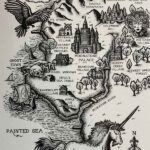
I adored the sentient storyteller who speaks directly to the reader. The writing was descriptive, but also relied on the reader filling in the blanks with some preconceived fairytale notions to keep the world-building minimalist and the book short. The book directly references its inspirations, such as The Chronicles of Narnia (multiple times), The Princess Bride, and others. I think that this was an intentional way of bringing a mental style of the place and people into view without going into extreme detail. It also helped allude to the tone of the story as well as uphold some themes.
The introduction to the book sets up the rules for the fairytale story and then proceeds to use them all. It was fun to be able to pick these elements out along the way. While we can easily guess who fulfills what based on the writing, it is meant to lead you through the tale in a predictable and comfortable way.
“…scared is a feeling, not an excuse.”
Themes
The teens (who later return as adults) have faced some serious trauma. They are lost in a host of ways. This story – The Lost Story – is about how they found themselves and each other.
The main characters, Jeremy and Rafe, are LGBTQ+. A central theme of The Lost Story focuses on their relationship, how it developed, and how others perceived it.
There is family drama, abuse, kidnapping, teen pregnancy, drug use, amnesia, mental illness, murder, danger, and more, but they are handled off-screen and relatively gently.
Critical Evaluation
Because the children were initially lost as early teens, the reference to the youthful adventure stories acts as a point of reference for how the storyteller was making up the world – they were building on the things that they read. I have seen a few reviews that quesiton why Shaffer would include these things and mentioned that it put them off because this wasn’t pulling the religious undertones that CS Lewis does. However, I think it speaks more to the psychology of the characters pulling from their imagination elements of the stories that are familiar to them.
“ … ‘Do you love me as much as I love you?’ and the answer is yes, yes, forever yes. Even if that universe existed only on the pages of a book written by a storyteller in another world in another time in another dimension.”
Personal Opinion
The Lost Story gave me so many feels. I got goosebumps. I teared up. I giggled. I sighed. id place this solidly in the realm of cozy and unchallenging – a feel good read.
Recommendation
The Lost Story is heartwarming and charming. It’s definitely worth the read. Fairytale lovers, you’ll dig this fresh take.
Do you enjoy portal magic fantasy? Tell me about your favorites in the comments.
May your life be as full as your bookshelf and as long as your TBR list.
Happy Reading!

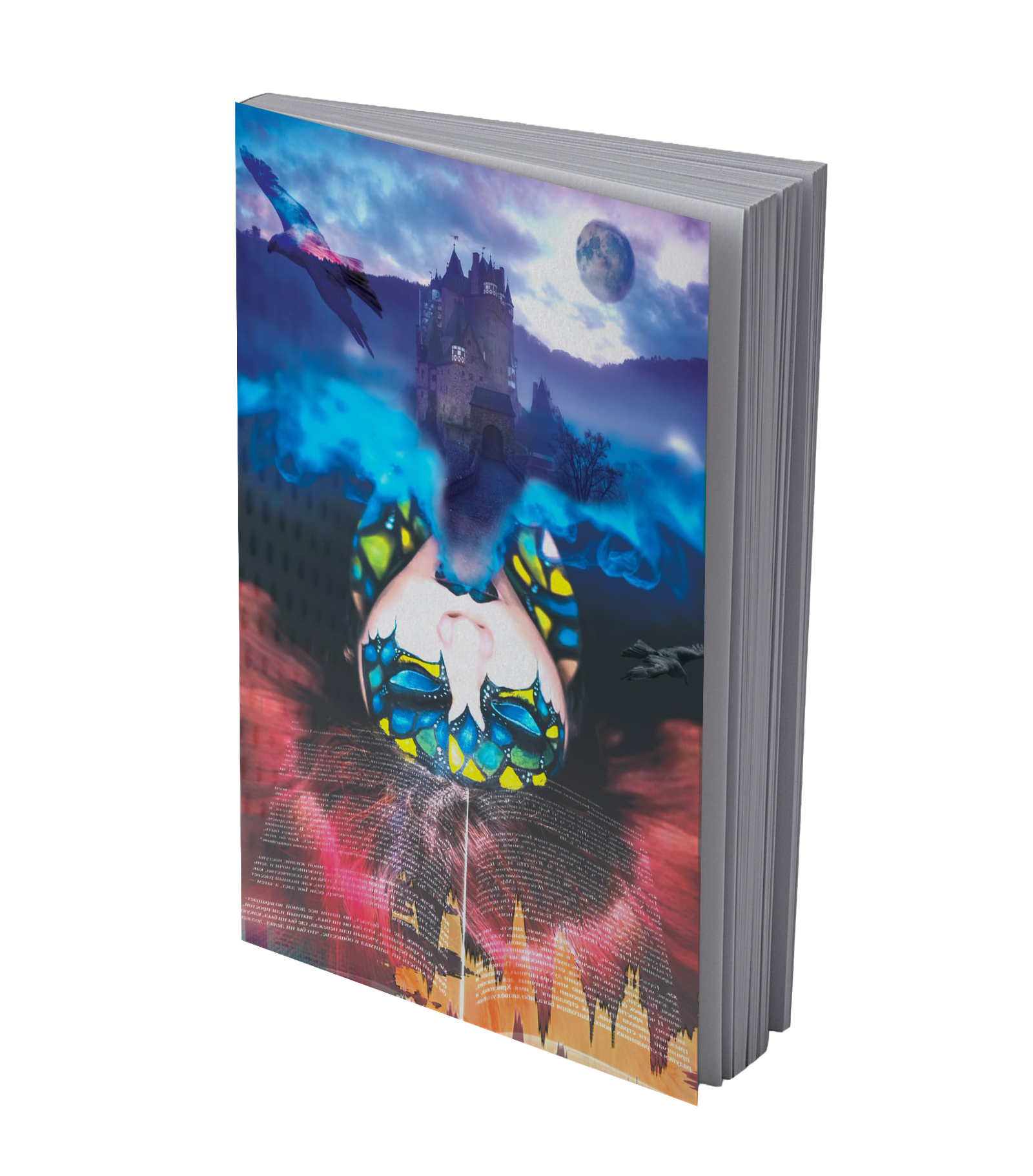
An homage to the power and unique magic of the written word.
“Magic of Books” lined, 120-page, paperback journal.

0 Comments